First she needed answers herself
A letter from an authority can be translated. Sometimes it is harder to understand what exactly needs to be done with it. Reply? Send additional documents? Explain a misunderstanding? Or maybe challenge a decision you disagree with?
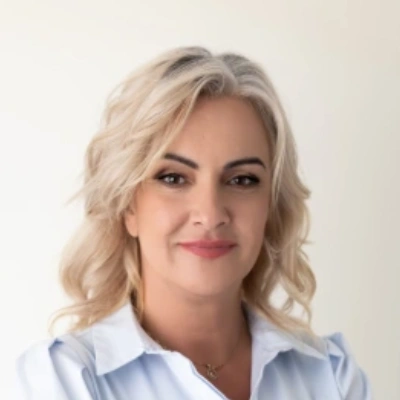
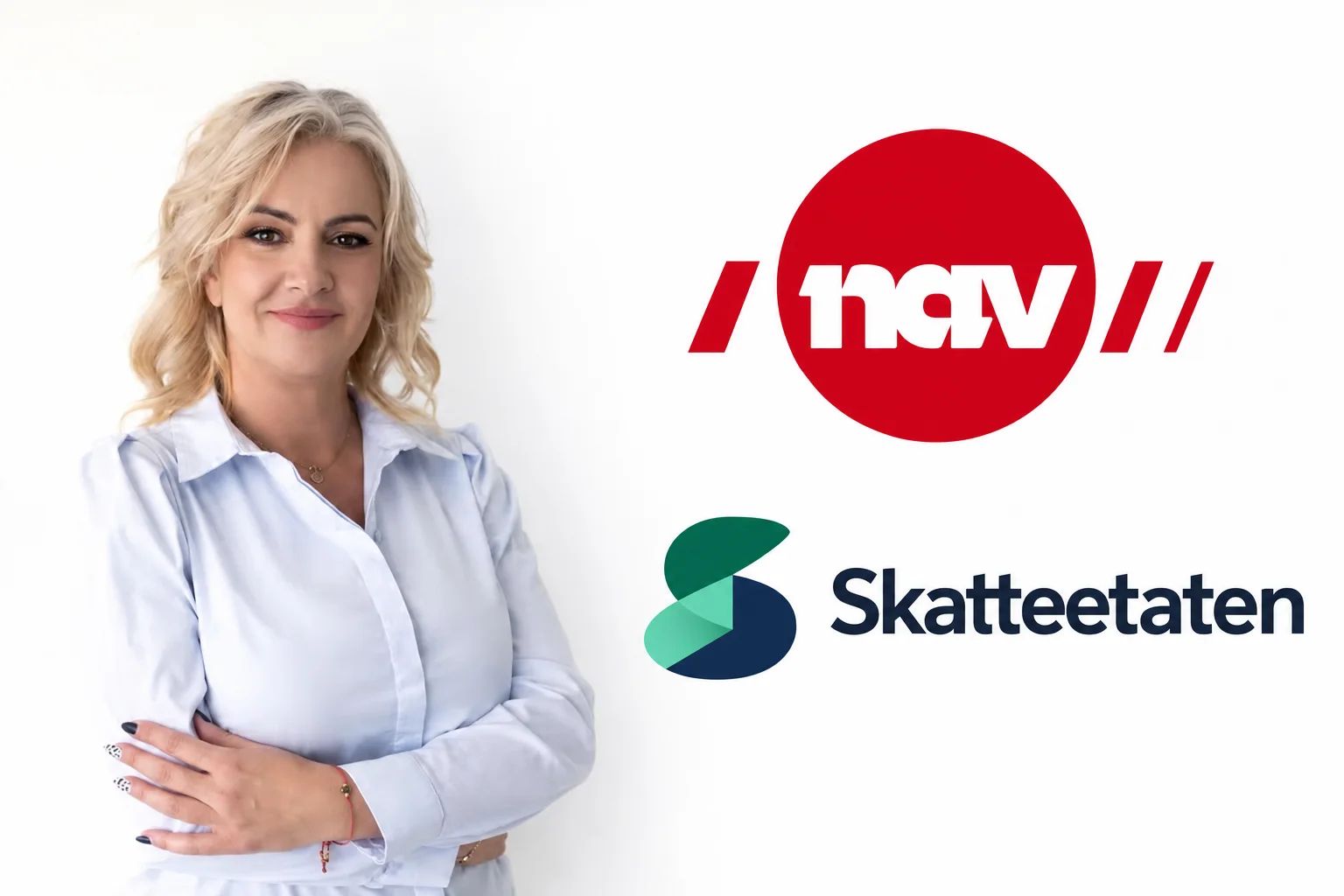
At moments like that it helps to have someone with whom you can calmly go through the case, organize the documents and determine the next steps. This is exactly what Katarzyna Brodowińska, who joined the ranks of experts at Wataha.no does.
She runs Consulting/Interpreter/Services Katarzyna Brodowińska, has an office in Borgenhaugen in the municipality of Sarpsborg, and helps people from all over Norway. Her activities include official matters, taxes, applications, appeals and Polish-Norwegian and Norwegian-Polish translations.
Behind this list of services, however, stands a personal story. During an interview with Radio Wataha Kasia returned to her beginnings as an emigrant - a time when she had to look for answers herself and learn how to navigate between Norwegian institutions.
“I moved to Norway as a single mother with a child. I know how hard it was at the beginning, without the language.”
At the time of the interview she had 20 years of life in Norway behind her. That experience of everyday life, parenting and handling matters on her own helped her understand what the people who call her today are dealing with.
A year of efforts to obtain a back payment
One of the most important experiences she talked about was her own case concerning barnetrygd - child benefit.
As she recalls, the dispute concerned a back payment for an earlier period. Katarzyna was convinced that in her situation the payment due should cover three years. Along the way she heard suggestions to accept a shorter period and end the efforts. However, she did not want to give up if she believed she had grounds to pursue her case further.
“If I set my mind on something and I know I'm right, I simply don't give up until the end.”
According to her account, bringing the case to a conclusion took a year and ended with obtaining a back payment for three years.
This is a story about her individual experience, not a rule applying to every application for barnetrygd. However, it shows where her approach to helping others comes from: from the memory of how difficult it is to assess an authority's response on your own when you lack the language, knowledge and someone to discuss the situation with.
Kasia says plainly that she does not like situations in which a person bears the consequences of a mistake they could not recognize, or gives up because they do not understand the next steps. At the same time she notes that there are also people working on the other side of the official desk who can make mistakes.
Her own story became the impulse to use the experience she has gained also for others.
Taxes, NAV and cases that are hard to move forward
Asked about the most important areas of her work Katarzyna first mentions tax returns. Next come contacts with Skatteetaten, NAV cases and help in preparing documents.
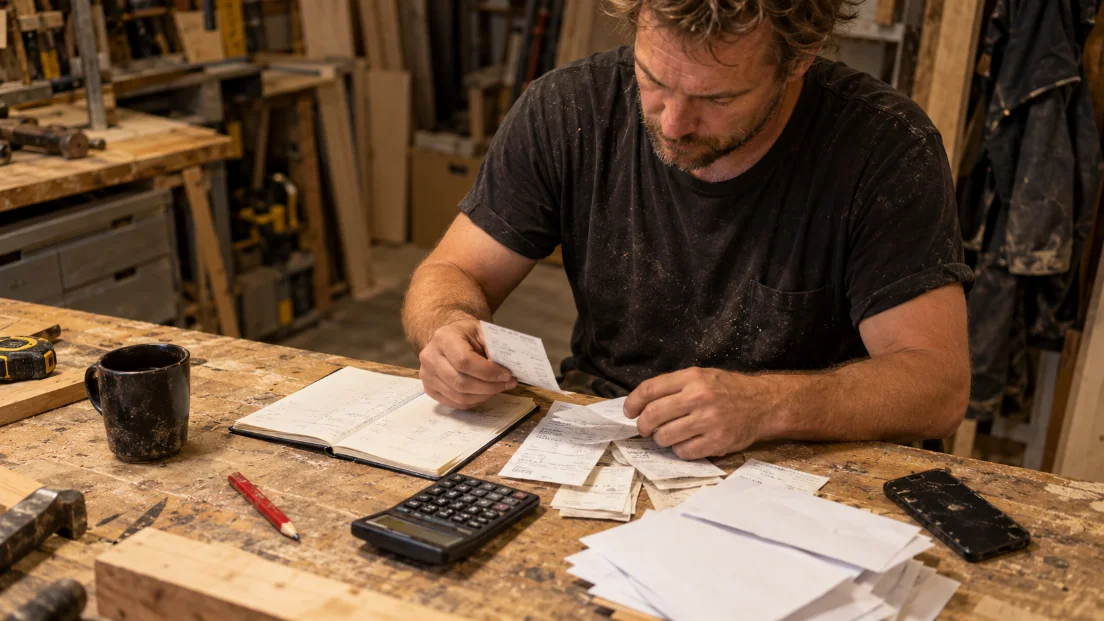
Not every person contacting her is at the beginning of proceedings. Sometimes the application has already been sent, the answer has arrived, but its meaning remains unclear. Other times the agency asks for additional information or the case takes longer than the client expected.
Katarzyna describes her help in very practical terms: you can contact the institution, ask about the status of the case, determine which documents are missing, and explain what needs to be done next.
Depending on needs, her activities include:
help with tax filings and correspondence with Skatteetaten;
support in NAV matters, benefits and allowances;
filling out applications and petitions, including those related to funding;
preparing appeals and complaints;
assistance with banking formalities;
Polish-Norwegian and Norwegian-Polish translations;
language checking and organizing documents prepared by clients.
The scope of a specific assignment requires a conversation. Sometimes it is necessary to prepare a document from scratch, and sometimes it is enough to help understand a single letter and determine the next step.
“I submitted the application myself and now I don’t know what to do next”
The interview also featured a scenario well known from the digital everyday: someone prepares a document on their own, uses an online translator or ChatGPT, sends it, and later discovers that something was misunderstood.
Can you also contact Katarzyna at that stage?
She answers yes. She describes the possibility of checking the situation, contacting the authority and determining available ways to clarify the matter.
However, first you need to know, exactly what was sent, how the institution responded, and at what stage the proceeding is. Only on that basis can further action be considered.
The conversation also touched on possible consequences of errors in tax matters. Kasia emphasized that there is no one-hundred-percent guarantee of avoiding a penalty. She said that in the cases she has handled so far, which she mentioned during the interview, it has been possible to clarify situations without such a consequence. However, she did not present experience in overturning penalties that had already been imposed.
This is an important distinction. Help in explaining an error is not a promise of a favorable decision. Its value lies in a thorough examination of the documents and determining what can be done in the given situation.
Sometimes you know your case. All that's missing is the language
Not every client needs someone to take over the preparation of the entire application. Katarzyna also talks about people who understand their situation well and write petitions, complaints, or appeals on their own.
However, they want to check whether their Norwegian is correct. Does the sentence really mean what it was supposed to mean? Is the argument understandable? Has the most important information not been lost in a long description?
In such cases Kasia provides linguistic help and looks at how the case is presented.
She points out something that is easy to recognize from personal experience: when a document concerns our money, family, or sense of injustice, it is difficult to keep distance. We want to tell everything. Explain the circumstances, recall previous conversations and show how much the situation has cost us.
Meanwhile, the person reading the letter must find the answer to a specific question.
“There should be facts here. The question is this, the answer is that.”
This remark accurately reflects Katarzyna's way of working: to help the client choose the information relevant to the case, give it a clear order, and check whether what the institution asked for has been included.
Emotions remain part of human history. In writing, however, it is worth ensuring that the facts, the request and its justification come across clearly.
Mutual understanding is most important at the doctor's
Translations during medical visits were a separate topic of the conversation. These are situations in which we particularly need precision: we want to describe symptoms well and understand the doctor's response.
Katarzyna said that she also does translations for the company Tolkenet. However, when someone contacts her privately asking for a paid translation of a medical visit, she points out the possibility of obtaining a translator through the facility.
She explains that if the patient can use such assistance for free, she informs them of that route.
“If I know that this person has a free translator because they are entitled to one, then I will not go and translate for money.”
What is worth knowing? Helsenorge points out that when there are difficulties communicating with medical staff, a patient may have the right to a translator, including when they speak Norwegian in everyday life. It is worth reporting the need in advance; the facility assesses it and orders the translator. The service is, as a rule, free for the patient. The exception concerns dental treatment paid for privately — in that case the patient also bears the cost of the translation. Helsenorge
For Kasia, informing about such a possibility is part of the assistance. The person who calls does not always know where to start. Sometimes the most valuable answer is to point to the right place.
Knowing when a different specialist is needed
Katarzyna declares a similar approach in matters requiring legal assistance.
“If I know that, for example, I will not manage there and a lawyer is needed, I send them to a lawyer.”
In the conversation she makes it clear that she does not consider herself someone who has the answer to everything. Recognizing the limits of one's help is important especially when a client comes with a difficult, emotionally burdensome case or one that has serious consequences.
Cooperation can therefore consist both of preparing documents and language support, and of indicating that the next step requires a different kind of competence.
Office in Borgenhaugen, contact from all over Norway
Katarzyna receives clients at the office at Myraveien 49, 1738 Borgenhaugen, in the municipality of Sarpsborg. At the same time she emphasizes that she helps people living in different parts of the country.
A large part of the contacts takes place by telephone. Thanks to this, the distance from the office does not have to determine whether the case can be discussed.
When first contacting, it's helpful to briefly state:
which institution and issue the matter concerns;
what has already been done;
which letter or reply we have received;
whether a deadline is indicated in the documents;
what kind of help we need.
This makes it easier to determine the scope of cooperation. The price, deadline for completion of the service, method of delivering documents and any meeting at the office should be agreed directly with Katarzyna.
Katarzyna Brodowińska - Wataha expert
The invitation to join the group of experts was made during an interview. We asked Katarzyna whether she wanted to share her knowledge with Wataha's audience and help readers find practical answers.
She answered without hesitation:
“Yes, absolutely”.
A moment later the conversation took on a joking tone. The editorial invitation turned into a marriage proposal, consent was given and there was no shortage of laughter. Behind that relaxed exchange, however, is something concrete: Katarzyna Brodowińska is already among Wataha's experts.
In this group an important skill is the ability to translate experience into assistance someone can use. Understanding the question, organizing a document, pointing to the appropriate institution, or honestly saying that a lawyer will be needed.
When in the conversation we called Kasia an expert, she initially responded reservedly:
“I know what I'm doing”.
That sentence neatly closes her introduction. Behind Katarzyna's work stands her own journey through everyday life in Norway, a memory of difficult beginnings and a readiness to accompany others in their cases.
Kasia, welcome to Wataha.
Contact with Katarzyna Brodowińska
Company: Konsulting/Tolk/Tjenester Katarzyna Brodowinska
Phone: 465 12 227
E-mail: katarzyna.brodowinska@hotmail.com
Office: Myraveien 49, 1738 Borgenhaugen, municipality of Sarpsborg
Area of operation: all of Norway - telephone and remote contact as well as meetings in the office
Languages of service: Polish and Norwegian
Messenger: Contact Katarzyna
The material was created based on an interview conducted by Steve Joobs for Radio Wataha. The story concerning child benefit and previous client cases constitutes Katarzyna's account. It is not advice regarding a specific case or a guarantee of its outcome.